
Although I have travelled to 134 countries ( and still counting), I haven’t been to vast tracts of my own country, Canada. So, in the fall of 2025, I packed a few clothes and my Sheltie pup and set off for the Atlantic provinces.
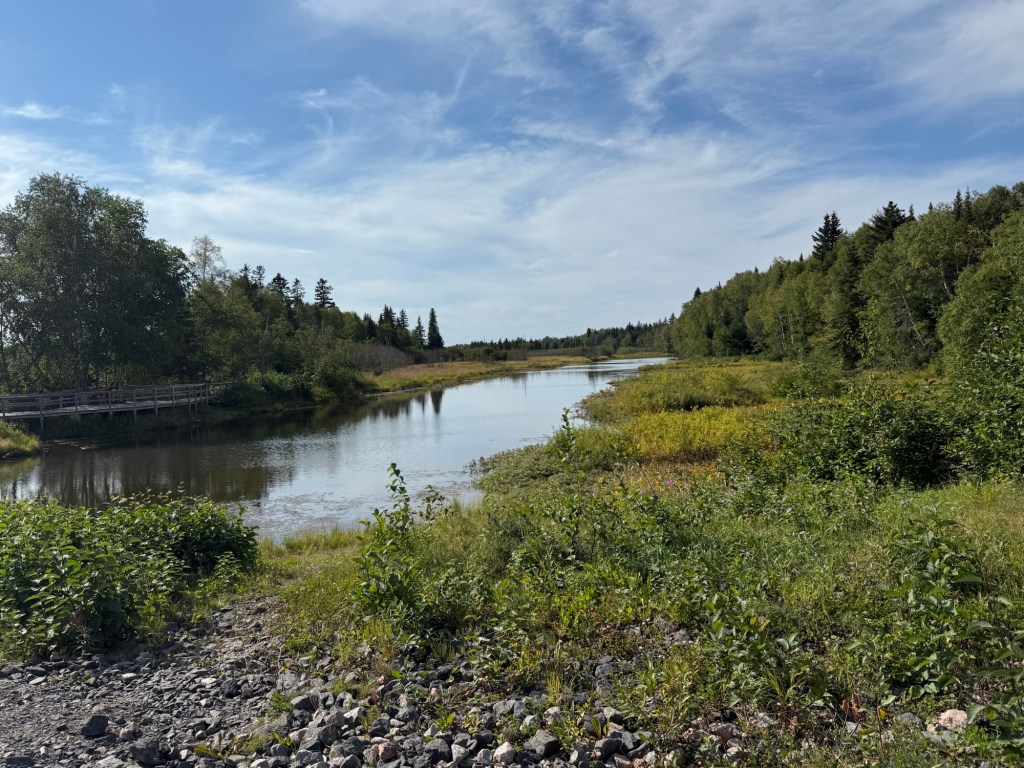
As I enjoy highway driving, I decided to take the long way to the island of Newfoundland, traversing the 1,149 kilometers of the trans-Labrador highway from its border in Quebec to its end in Red Bay. Completely paved in 2023, it cuts through swarms of forests, lakes and pretty rivers:
Animal life abounds, with constant reminders to watch out for moose:
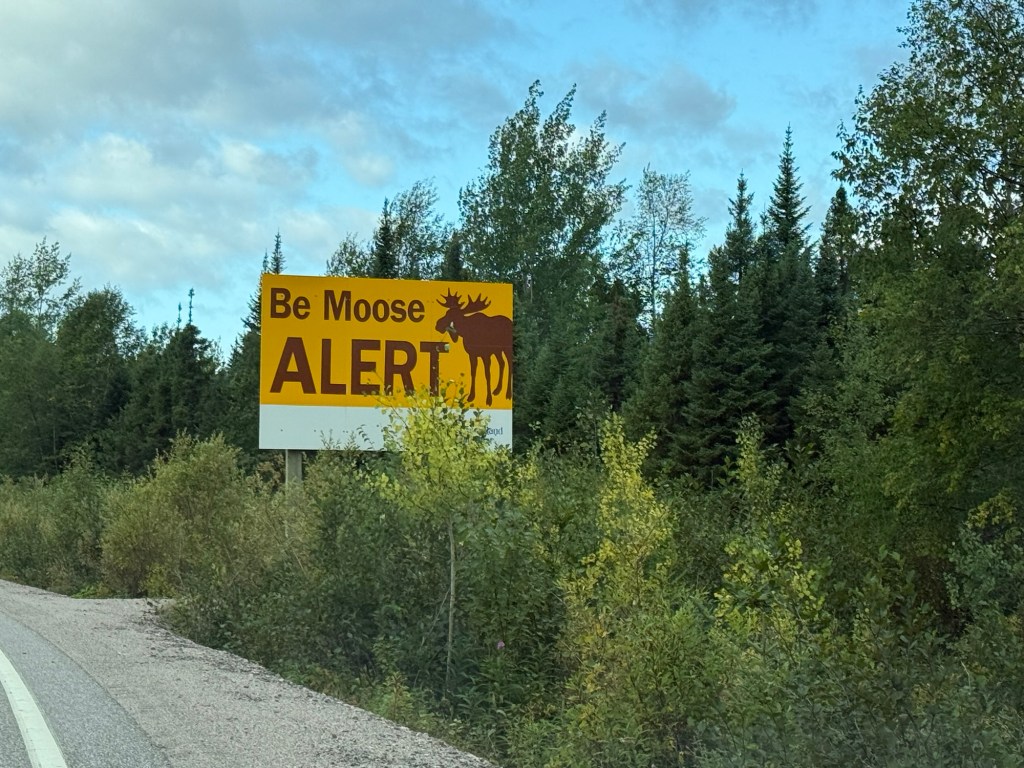
I was fortunate to see, but not hit, 2 moose and a black bear. The possibility of hitting moose limited my driving to the daylight hours, but with the hour and a half time difference from Quebec, dusk came late. Why an hour and a half time difference? Newfoundland is exactly 3 1/2 hours from Greenwich, and the Newfoundlanders insisted upon keeping their time thus.
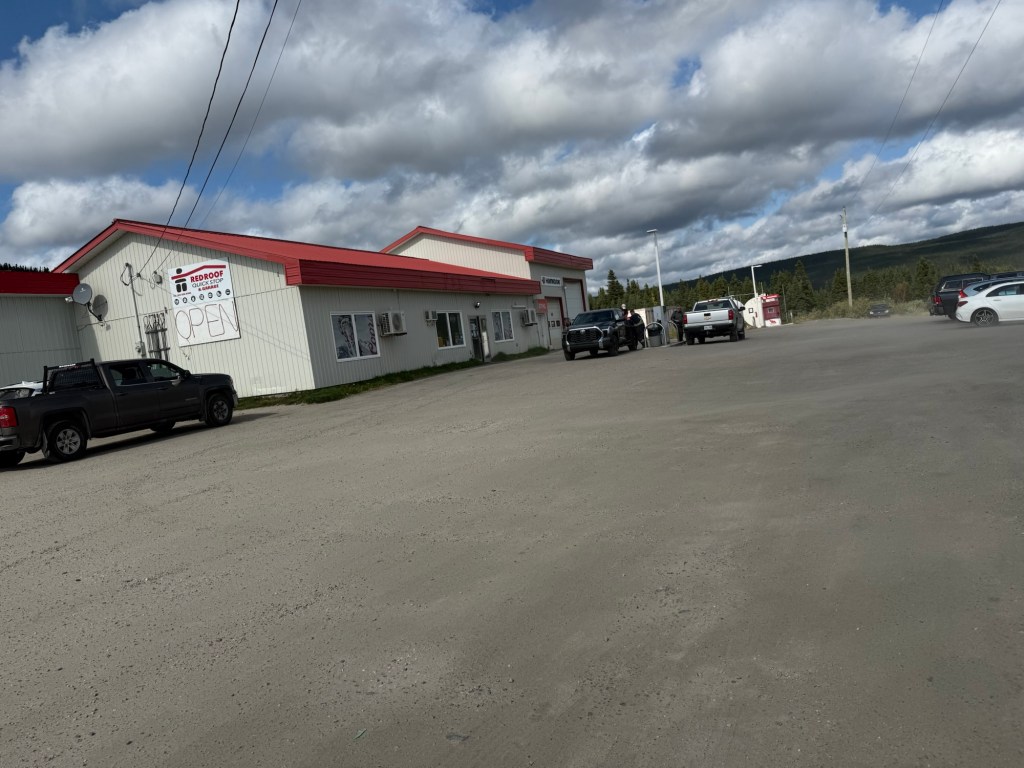
Labrador is remote, with only 40,000 inhabitants, mostly Inuit and workers in the iron ore mines. Driving through Labrador requires care be taken with the distances. I saw only a single gas station in the 529 kilometres between Labrador City and GooseBay/ Happy Valley and, on leaving Goose Bay/Happy Valley, a sign warns the nearest gas station (and flush toilet) is 394 kilometres away. Nonetheless, the isolation is a large part of Labrador’s attraction.
After 3 days of driving through Labrador, millions of trees and thousands of lakes, I arrived in Blanc Seblon, Quebec, where a 90 minute ferry ride took me to the island of Newfoundland. My highlight was discovering that my dog doesn’t get seasick.
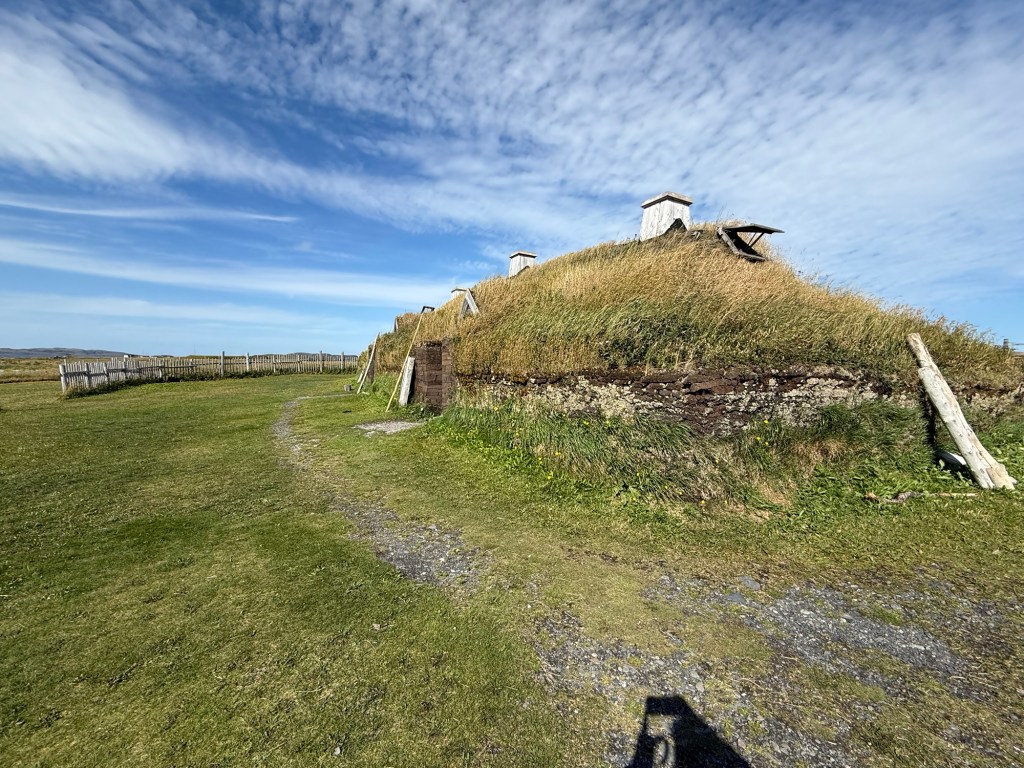
Driving north, I headed to L’Anse aux Meadows, the first known European site in the Americas. Leif Ericsson sailed here from Greenland in about 1,016AD and established a small community. Over the course of 10 years, the Vikings constructed houses, forges and boathouses where they chopped trees, smelted iron and repaired their ships. The Vikings abandoned the site, likely due to its distance from Scandinavia, but archeologists rediscovered it in 1960. Today, a visitor center, tour guides and reconstructed buildings greeted me; the original buildings are buried under the mounds for preservation reasons:
3 hours south is Newfoundland’s jewel, Gros Morne National Park, with spectacular fjords, numerous walking trails and glimpses of pretty seaside coves:
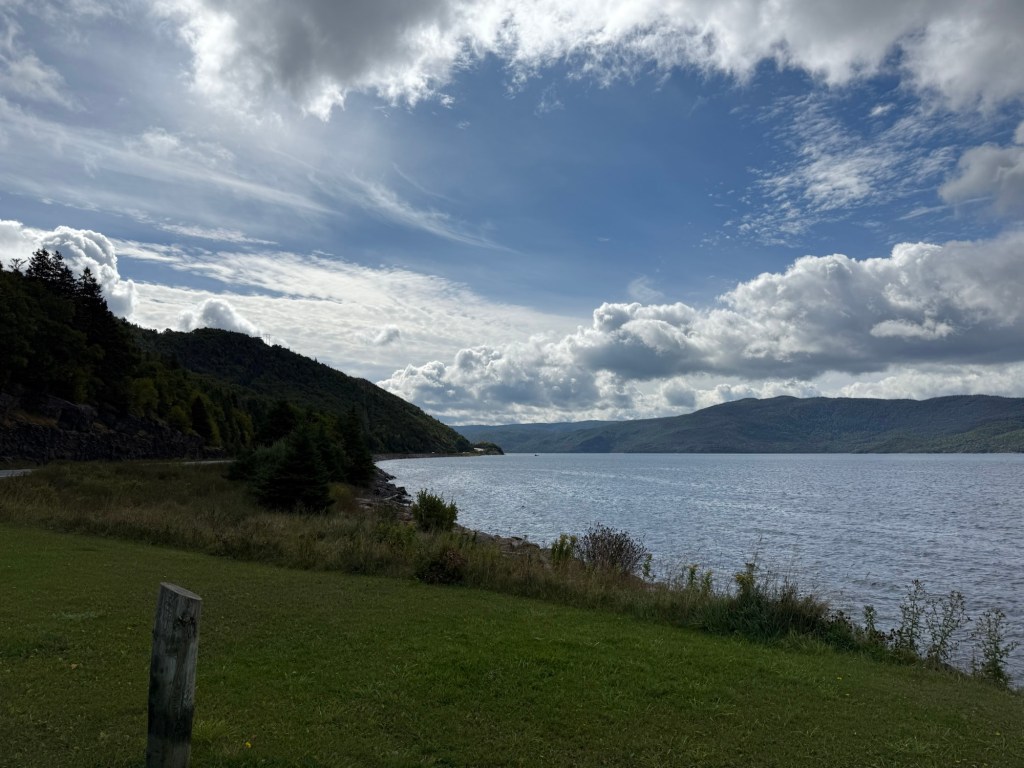
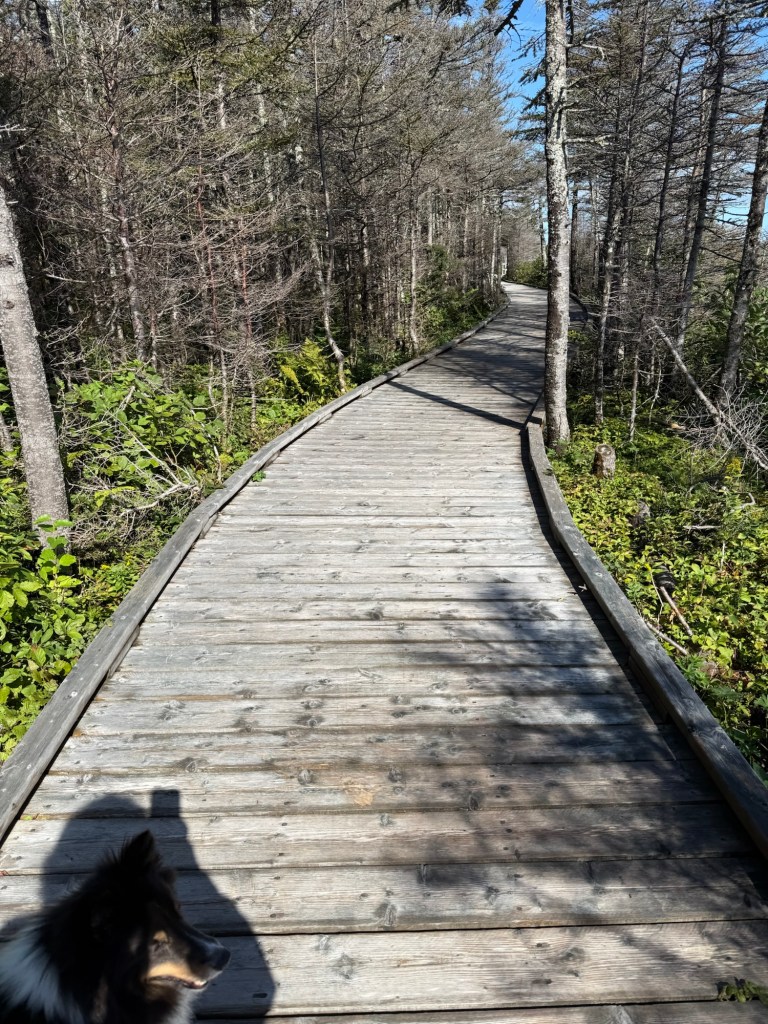
Having the dog limited my hiking options to dog friendly walks, so we circled Bear Head’s pond;
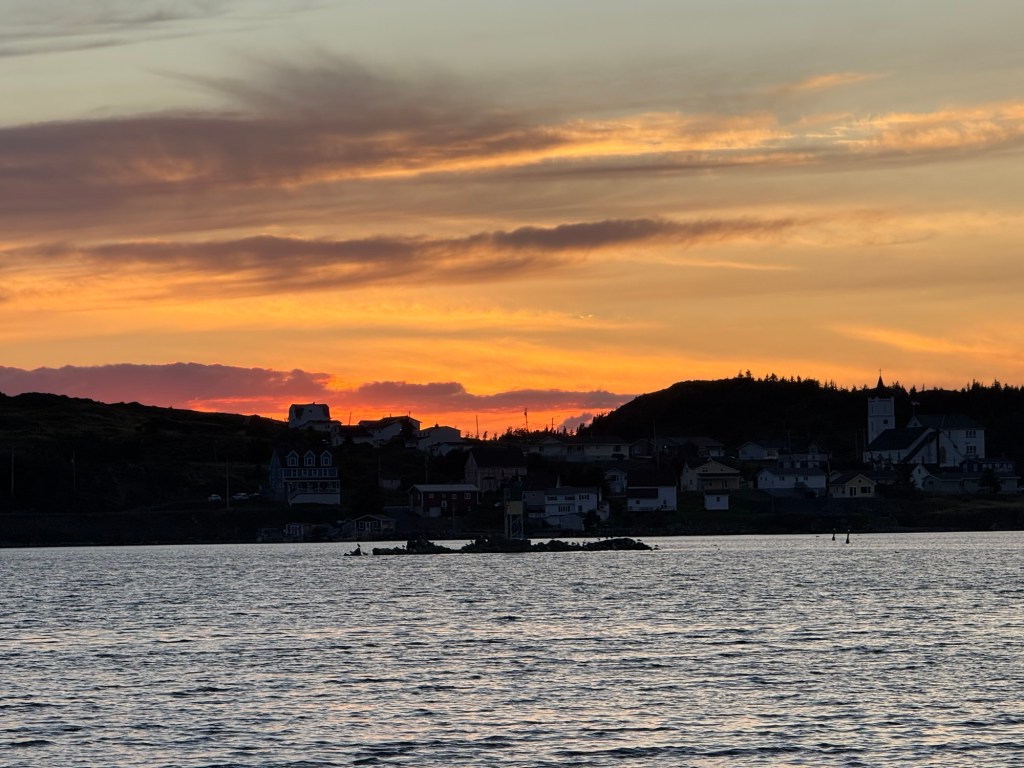
We next drove to Twillingate, a pretty seaside town best known for its ferry to Fogo Island and its high priced resort ($4,000 per night). We stayed in a much more affordable Airbnb ($160 per night) on the water and enjoyed the sunset:
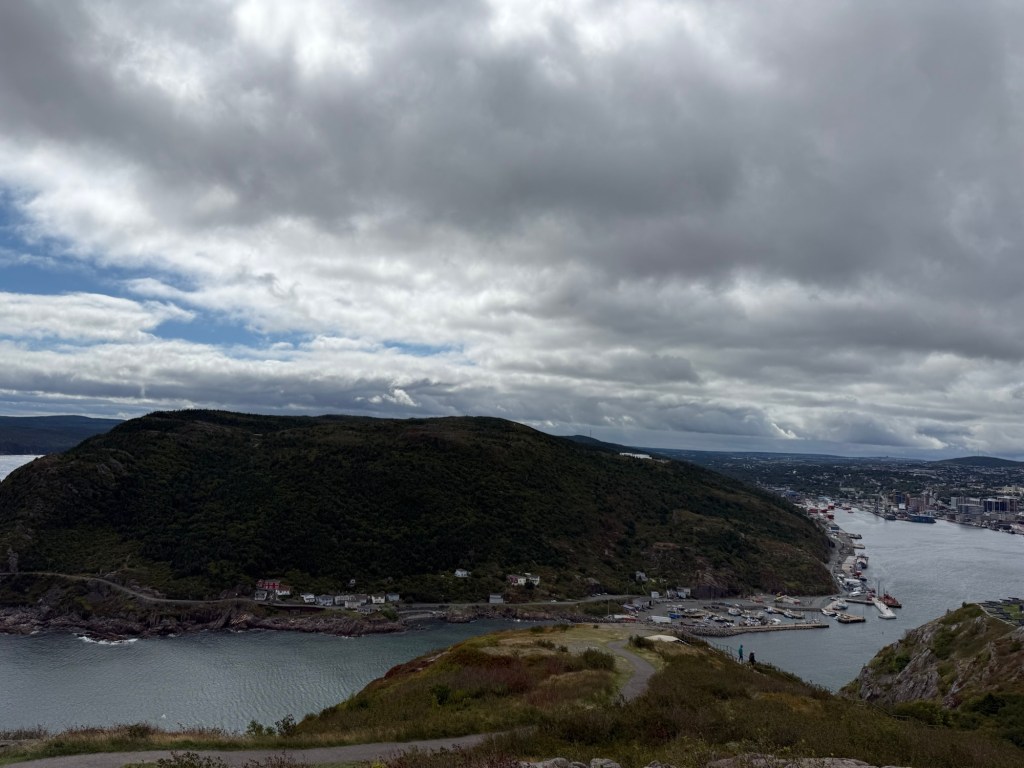
After a five hour drive, we arrived in the provincial capital of St. John’s, with a greater population of 210,000. A narrow strip of water ( called unimaginatively “the narrows”) separates the harbour from the Atlantic Ocean;
Some history here: St. John’s and Newfoundland had been settled for thousands of years by the Beothuk indigenous people, but the last one died in 1829, mostly due to the arrival of Europeans. The first non-Viking European, maybe John Cabot (no one is certain where precisely he landed), came in 1497. Portuguese, Basques, French and English followed, but it was the Irish who first settled about 1630 after decades of coming each summer for the cod fishing, returning back to Ireland for the winter.
The Irish heritage is evident everywhere in St. John’s, with Irish music constantly playing. The Irish penchant for enjoying a pint or two also prevails, with George Street said to have the highest density of bars in North America, surpassing even New Orleans.
St. John’s grew and was the subject of battles between the French and English during the 7 year’s war; the Treaty of Utrecht saw the French cede Labrador and Newfoundland to the British, except the small islands of St. Pierre and Miquelin which were retained by the French for their fishing rights.
During the War of 1812, the British and French fought again, with the French being defeated at Signal Hill:
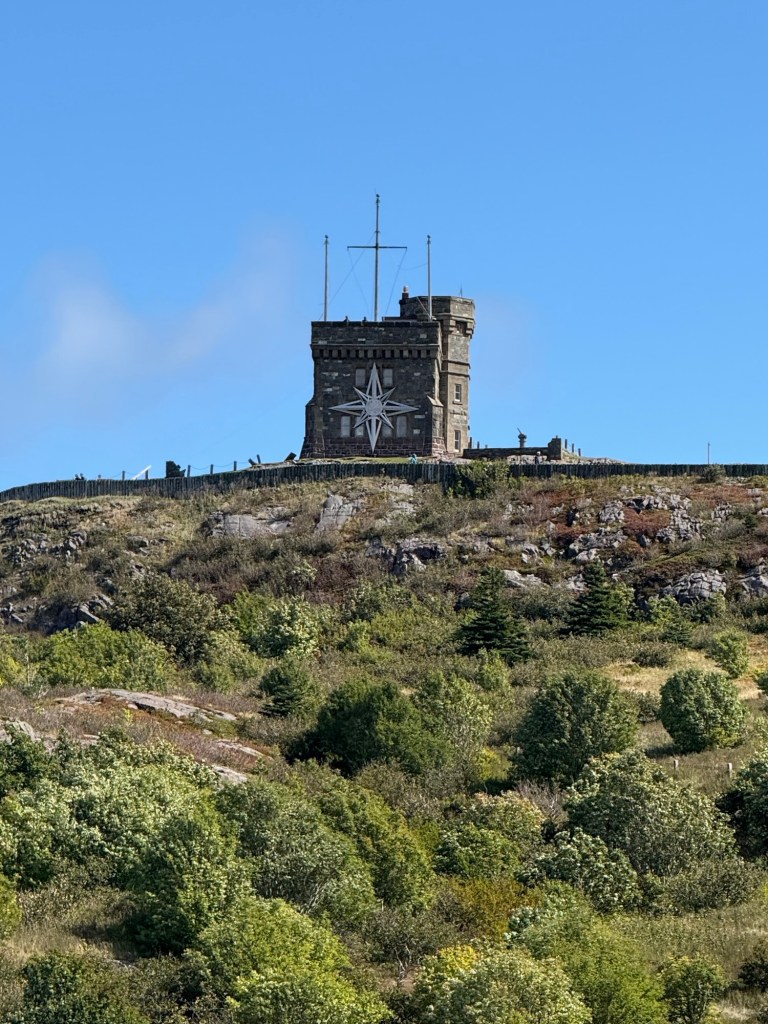
Signal Hill is also famous as the place where G.Marconi received the first Atlantic wireless signal, in 1901, but the impressive tower commemorates Queen Victoria’s 50th jubilee and Cabot’s arrival in 1497.
Newfoundland continued to grow, again mostly with Irish immigrants, but always dependent on cod fishing. The question of whether it should join another country, Canada or the US, lingered but in 1907, it became an independent country, the Dominion of Newfoundland, with its own currency, government and railroad.
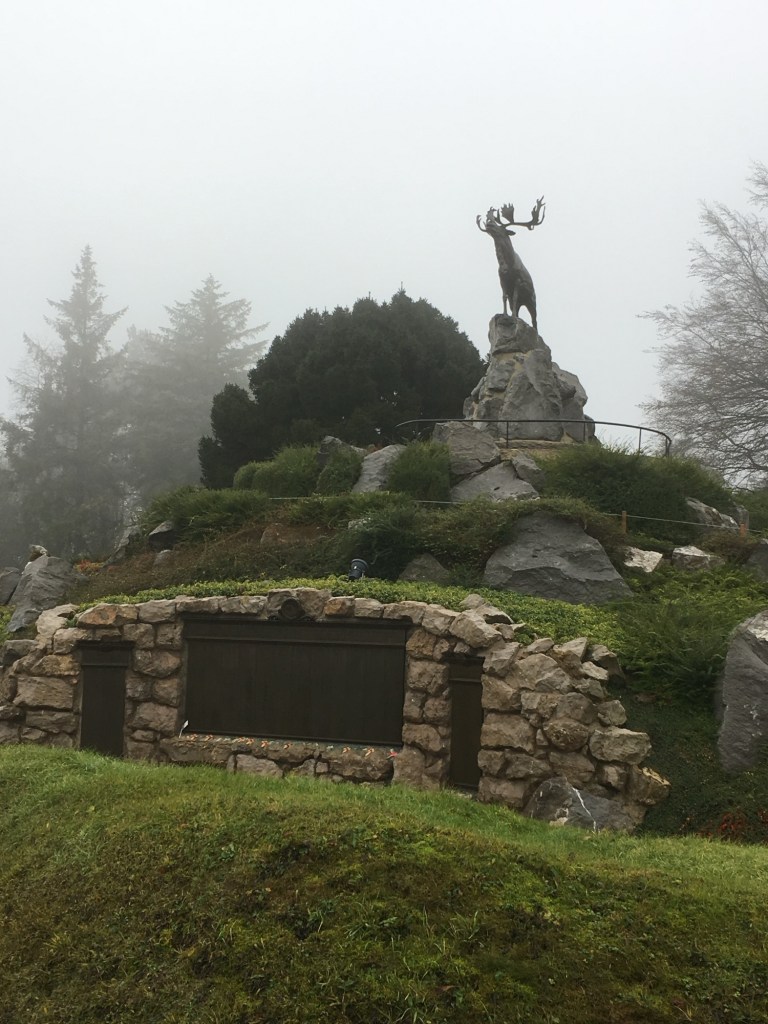
During WW1, it raised a volunteer regiment to fight alongside the British. This regiment was at the battle of the Somme. On July 1, 1916, over 800 of the regiment sought to capture a hill at Beaumont-Hamel. It did not go well and the next day, only 68 were able to answer roll-call. I had visited the memorial at Beaumont-Hamel, in France, some years earlier:
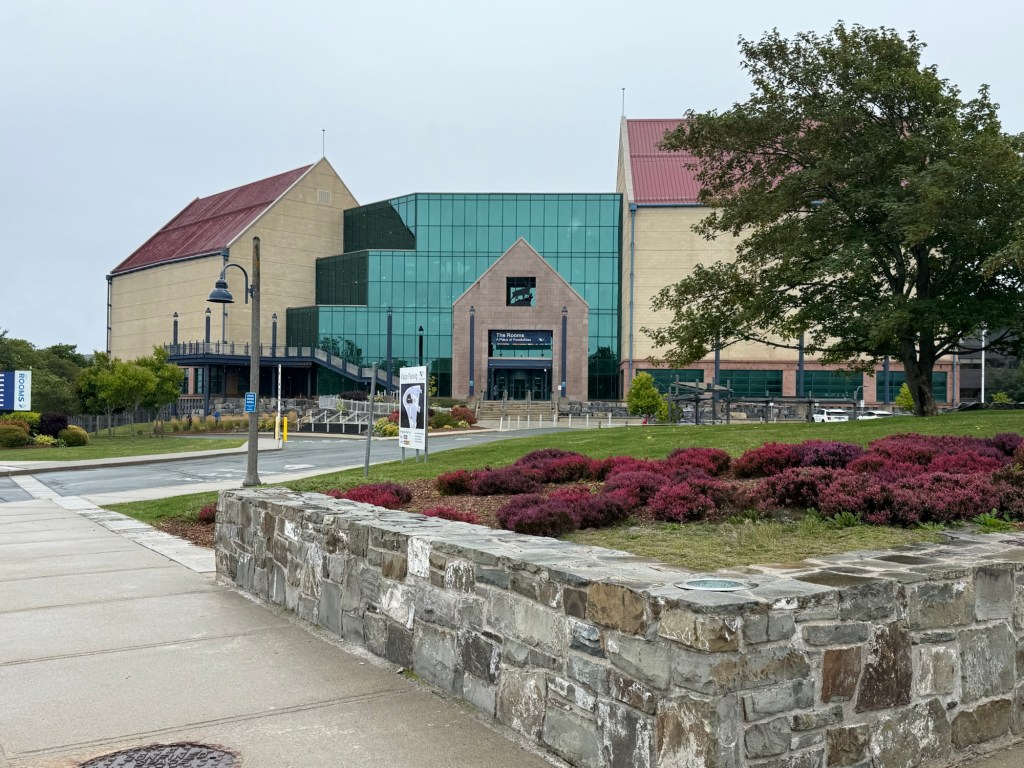
The loss of so many lives was devastating to the island. Their contributions, as well as the efforts of the islanders-nurses, factories, transport- was detailed in The Rooms, a museum dedicated to different aspects of Newfoundland’s culture and history;
The post WW1 years were hard on the Dominion; the Great Depression devastated it. In 1934, it relinquished its sovereignty and again was governed by Britain.
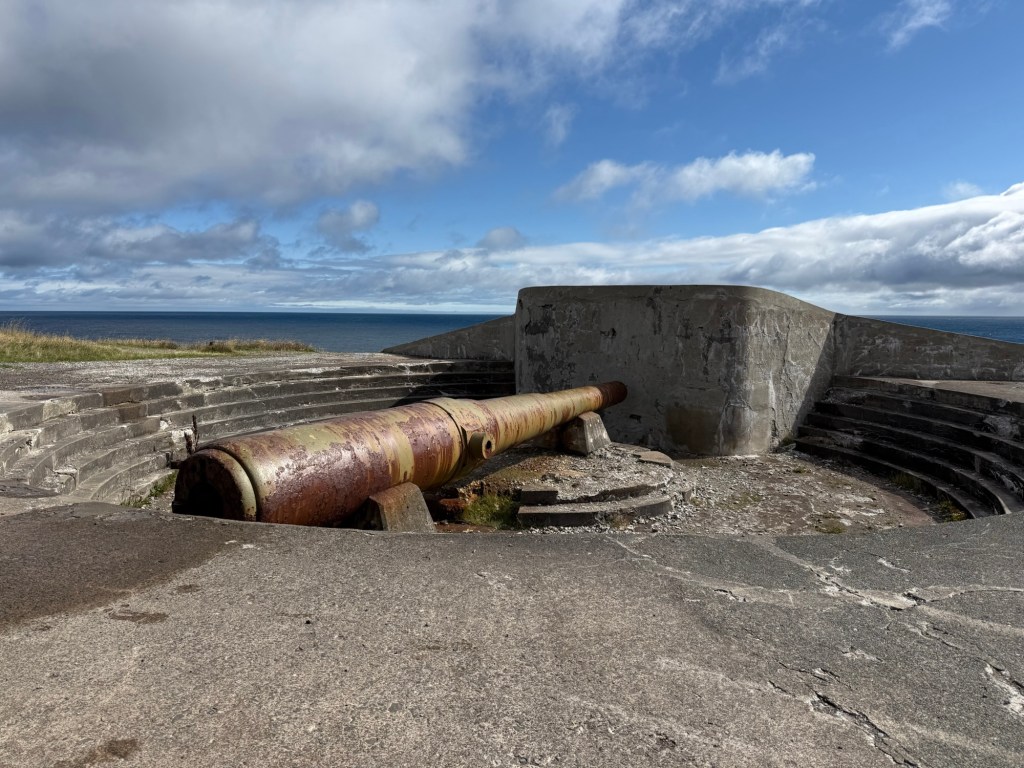
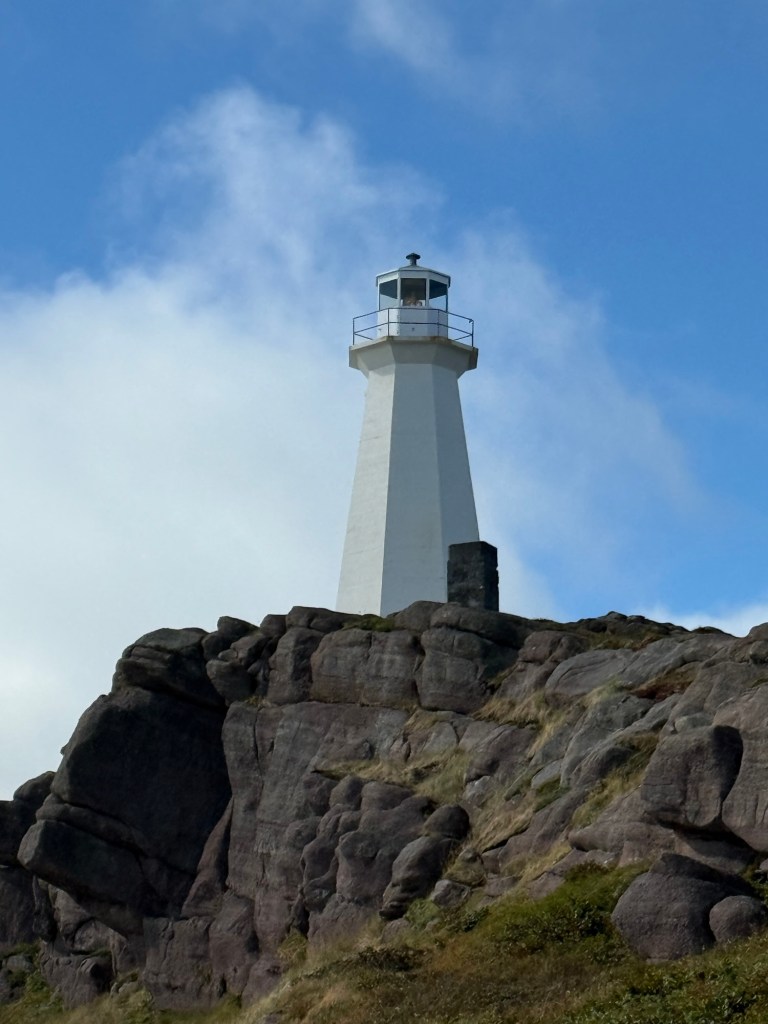
WW2 saw Canadian and US money pour into Newfoundland, building barracks for troops, fortifications against the German U-Boats and buying both manufactured and farmed goods. We visited one of the old fortifications, at Cape Spear:
Cape Spear also has a traditional lighthouse, the first I had visited in St. John’s:
In 1949, fed up with the British government and optimistic about the promises Canada was proposing, Newfoundland narrowly voted to join Canada as its 10th province and has remained so until the present. The closure of the cod fishery in 1992 was a disaster, but jobs arising from off-shore oil projects and tourism have helped.
Another highlight was a visit around Jelly Bean Row, blocks of brightly coloured houses:
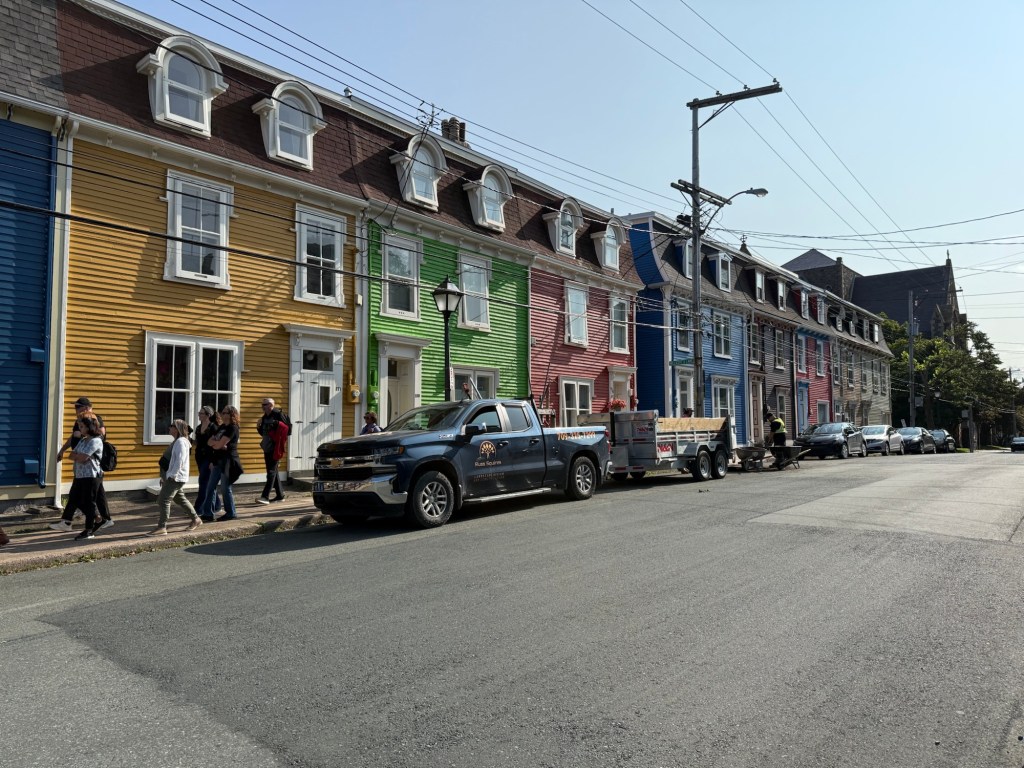
The only rules pertaining to the paint are a maximum of 3 colours and the colour cannot be the same as your neighbours. It would be nice to attribute the bright colours to old sailors’ lore but the truth is more pedantic- a few years ago, the mayor thought it would brighten the city up. He was right!
Other highlights of visiting Newfoundland are whale watching and iceberg spotting. Unfortunately, mid-September is too late for both, but I was able to take a boat cruise to visit the last of the puffins at the Witless Bay Ecological Reserve, where millions of puffins breed every summer. They’re hard to photograph from the boat; here’s the best I got:
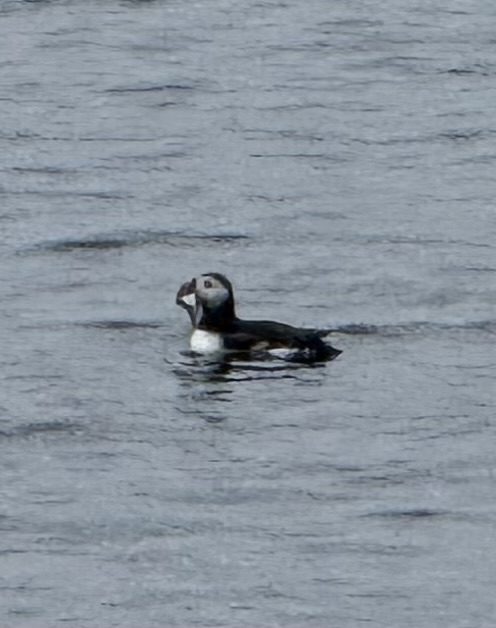
Despite the poor pictures, it was delightful to watch these birds fly through the sky.
On my final day on the island, I drove the 904 kilometres of the trans- Canada highway, from the tip of St. John’s to Port aux Basques where I’d catch the ferry to Nova Scotia. But it was the highway which impressed. Fully paved in 1966, it transformed life on the island. Prior to its construction, the thousands of little coves only transport to hospitals or schools was by boat, something impossible in the harsh Newfoundland winter. The highway changed all that; communities could now access medical care, higher education and distant employment year round. It was a pleasure to drive, even if it took 10 hours!
And so ended my time in Newfoundland and Labrador. I come away with 2 lasting impressions. First, its rugged beauty, from the endless forests countless lakes and charming seaside towns all over the province. Second, the independent spirit of everyone I met- Newfoundlanders first, then Canadians, with a proud, independent history.
It was wonderful….
 travelsnearlyeverywhere.com