
If you’re like most people, your first question is “ Where is Moldova”? It’s in Europe, a small country nestled between Romania and The Ukraine. The next question is “Why Moldova?” The short answer is I am trying to visit all the countries in Europe, and aside from Belarus and Andorra, this is one of the few I haven’t been to.
But it has other virtues. It’s the least visited country in Europe, with only 10,000 visitors last year, so crowds would not be a problem. It is also renowned for its wine, with more vineyards per capita than any other country. During the Soviet times, when Moldova was a Soviet republic, it and Georgia supplied 100% of the Soviet Union’s wine. It is also warm- after enduring rain, winds and highs of 10 during my 3 weeks in the UK -the sunshine and 25 degree temperatures were welcome. And it is weird- I’ll try and explain Transnistria; the country that doesn’t exist- a little later.
I started with a private day tour of the monasteries and the wineries, conducted by Marcel who, when he wasn’t acting as a tour guide, was a driver for the US embassy. That work had picked up hugely since the Russian invasion of Ukraine as the Americans had moved many of their Ukrainian personnel to Moldova’s capital, Chisinau, for obvious reasons.
We started with one of three monasteries we would visit, Curchi, considered the most beautiful;
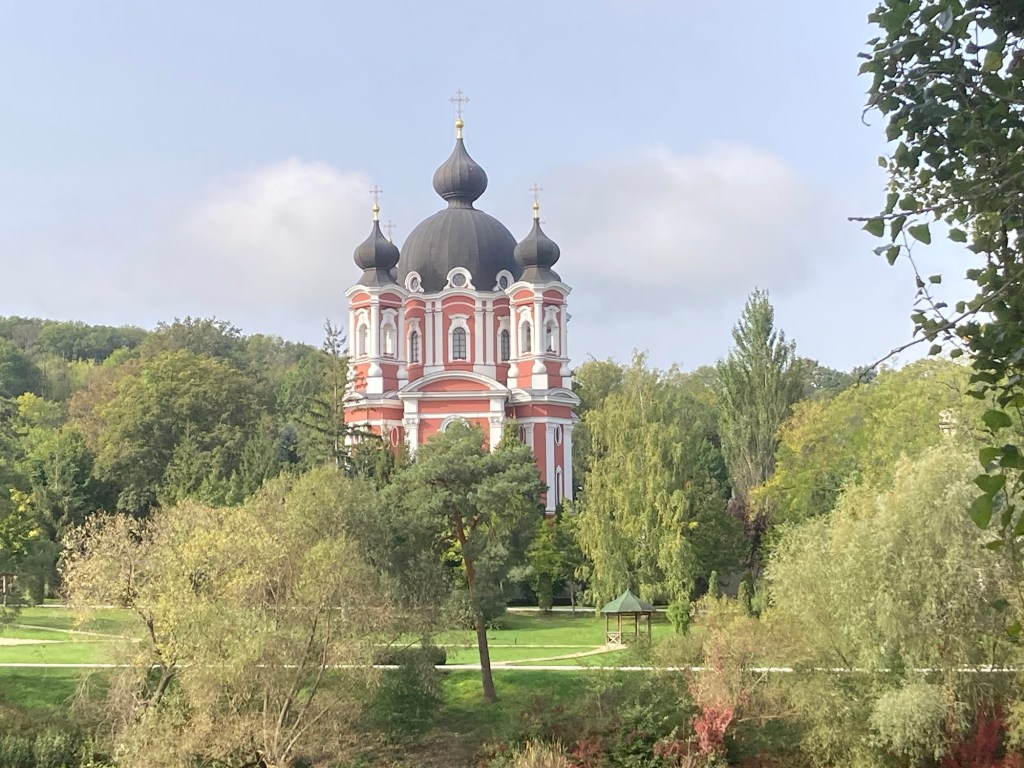
Pretty and inside, filled with icons and gold, but since churches and monasteries had been banned in Soviet times it was fairly new. This one has been used as a psychiatric hospital by the Soviets.
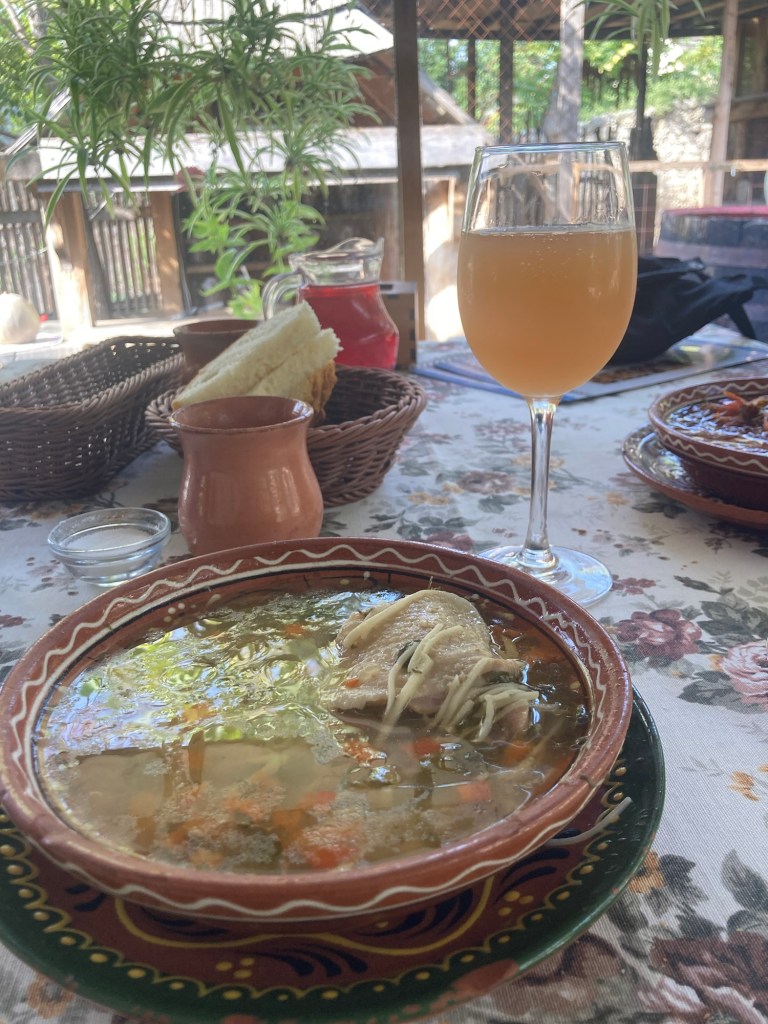
Lunch was in a typical rural community with traditional dishes like Zeama( soup) and placinta, a pastry filled with cheese, cabbage, potatoes or apples, all accompanied by wine.
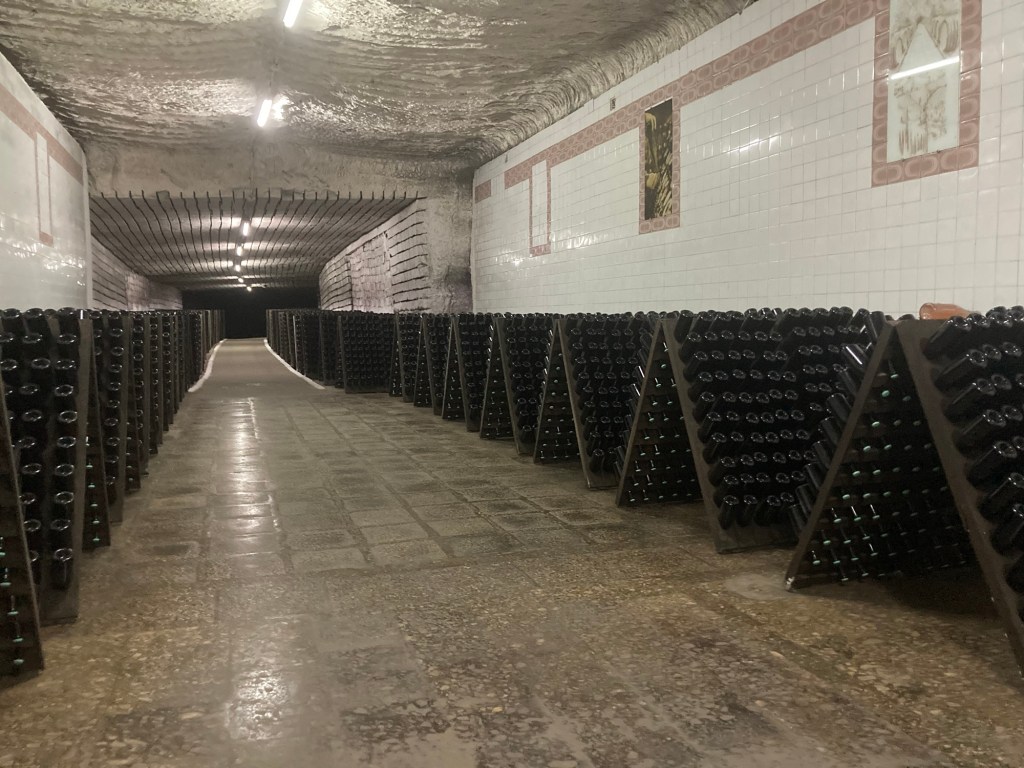
The highlight was a tour and tasting at the country’s second largest winery, Cricova. Over 120 kilometres of limestone tunnels store in excess of 12 million litres of wine. Me and a group of 13 Norwegian tourists were driven through the tunnels, stopping at bottle storage locations, a small museum and the private cellars where celebrities kept their collections until arriving at one of 3 wine tasting rooms
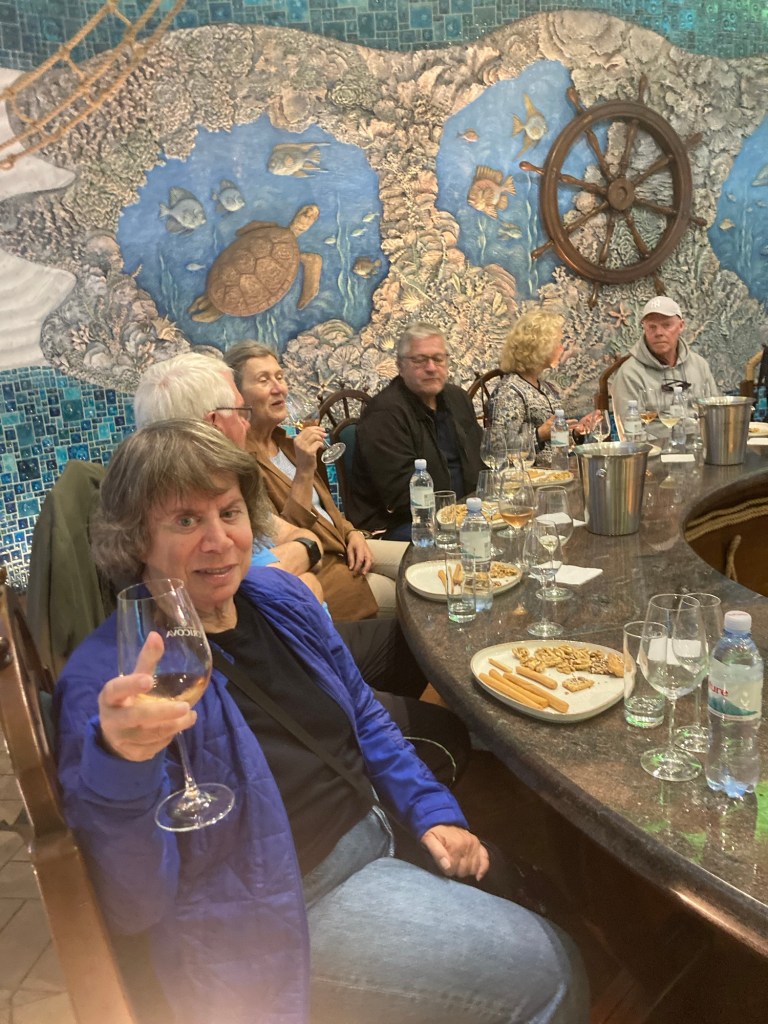
We sampled 4 wines, one each of red, rose, white and sparkling, which is sold as Crosseco, a nod to Italy’s Prosecco.
Next up was a tour of Chisinau starting with a picture of the iconic “MallDova”
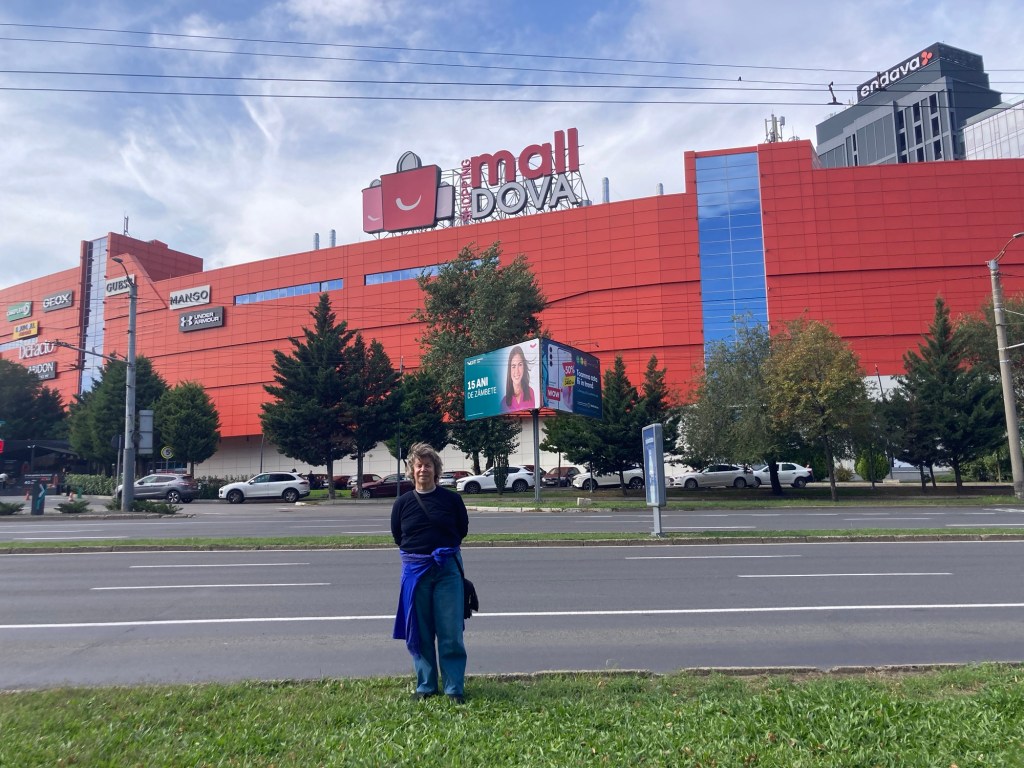
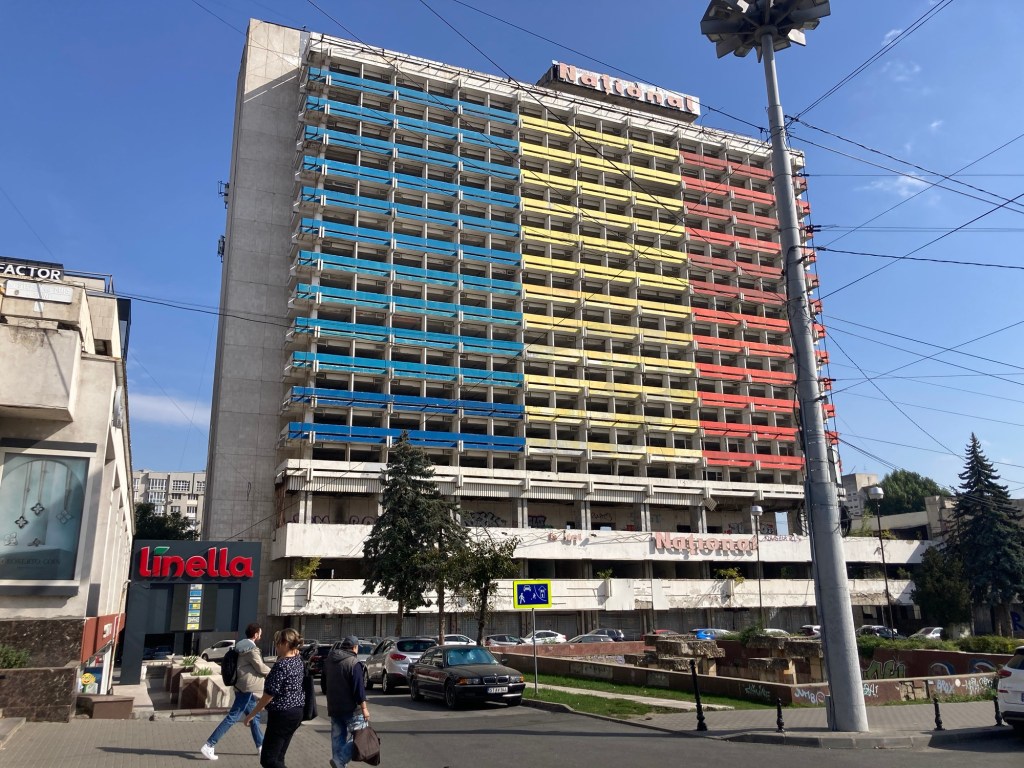
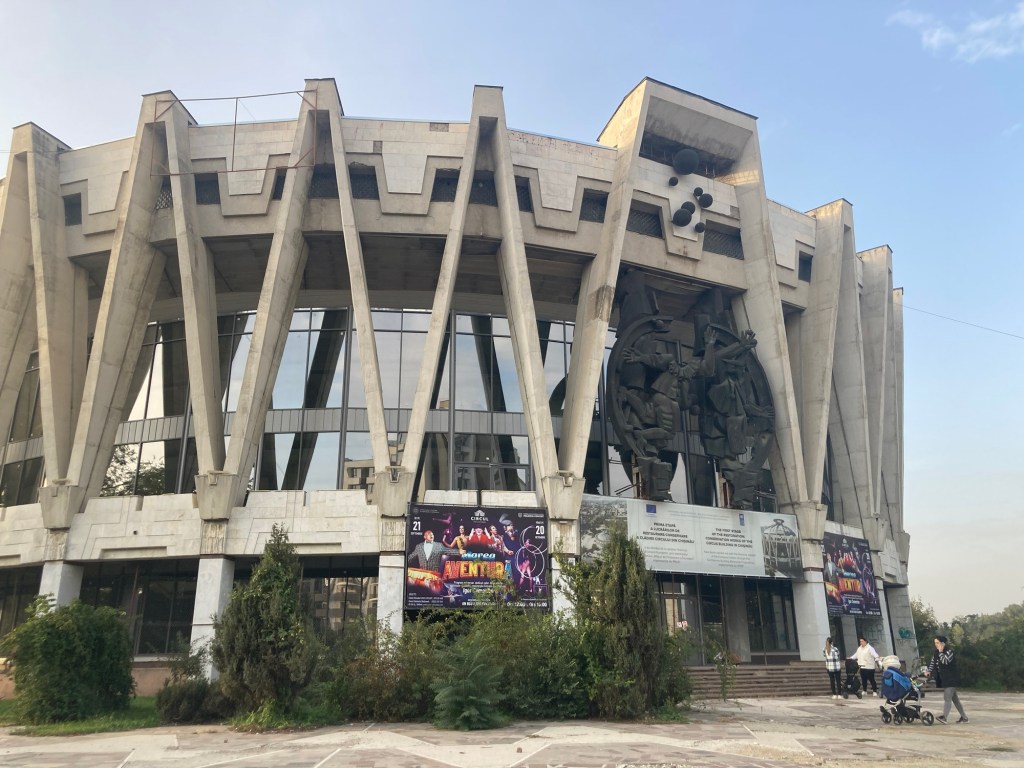
Chisinau has a mix of Soviet architecture and more modern buildings but my favourites were two abandoned buildings, one the former National Hotel, a grand Soviet monstrosity and the Circus building, where the circuses performed:
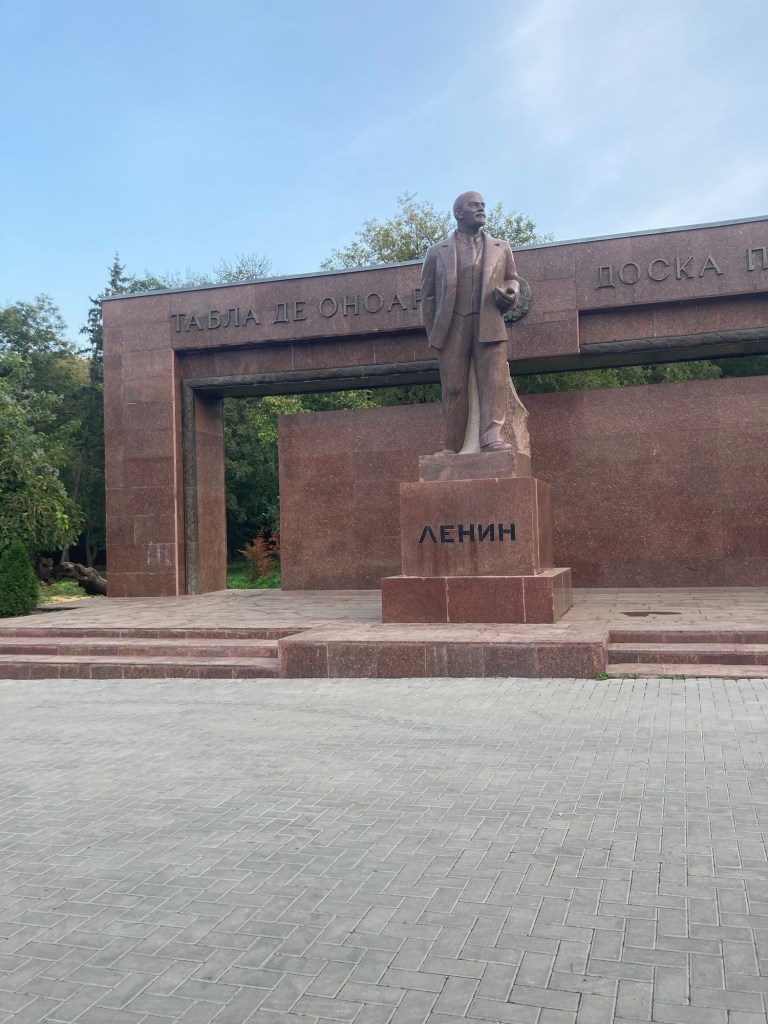
The inevitable statues of Lenin, Marx and Engels no longer were displayed prominently, but they weren’t too hard to find:
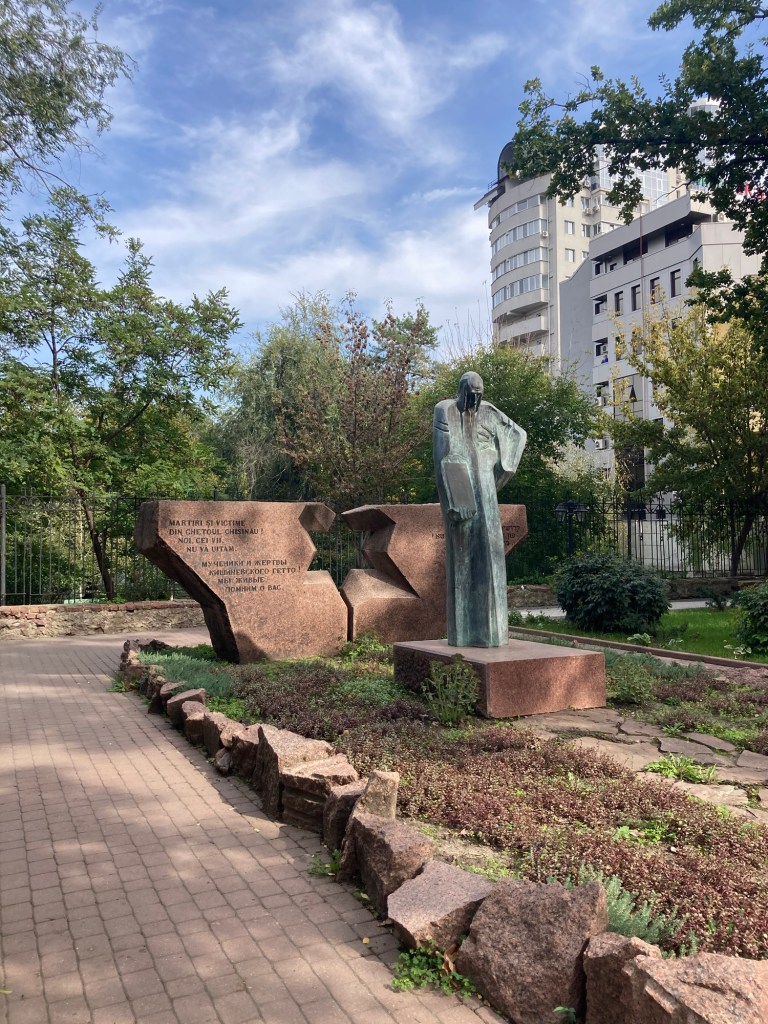
Moldova’s population had, prior to WW2, been 50% Jewish, but occupation by the brutal Romanian nazis and pograms during the Soviet period which followed decimated them. There are abandoned synagogues, numerous cemeteries and a memorial statue where the gate to the Jewish ghetto once stood in Chisinau:
And now for the weird. I’ll spare you a long history of the area, but it’s fair to say since the 1400’s, the current area of Moldova has been fought and ruled over at various times by Romania, the Ottomans and Russia. After WW2, it became a republic of the USSR, with a Romanian speaking section west of the Dneipster river and a mostly Russian speaking population to the east in an area known as Transnistria. In 1990, when everyone was declaring their independence from Russia, the whole of the republic Moldova also did.
Moldova, being a small country, seriously considered joining Romania. It also enacted a law making Romanian the official language. Neither of these actions was appealing to the Russian speaking populace of Transnistria so, in the spirit of the time, it declared itself independent from Moldova. Moldova did not like this and sent in troops.
A civil war ensued and 2,000 were killed on the Moldovan side. Russia stepped in and enforced a peace. Russian peacekeepers are still in Transnistria today and an odd state of affairs remain, with Transnistria considering itself an independent country, which no other country recognizes and Moldova, considering it part of Moldova.
In support of its independence, Transnistria has its own money, its own government, its own law courts, its own military etc. To enter “the country” one has to cross the border, go through passport control and get a visa. Because of its status, it is economically shunned by all countries except Russia. There’s no McDonalds, credit cards aren’t accepted and Moldovan SIM cards don’t work.
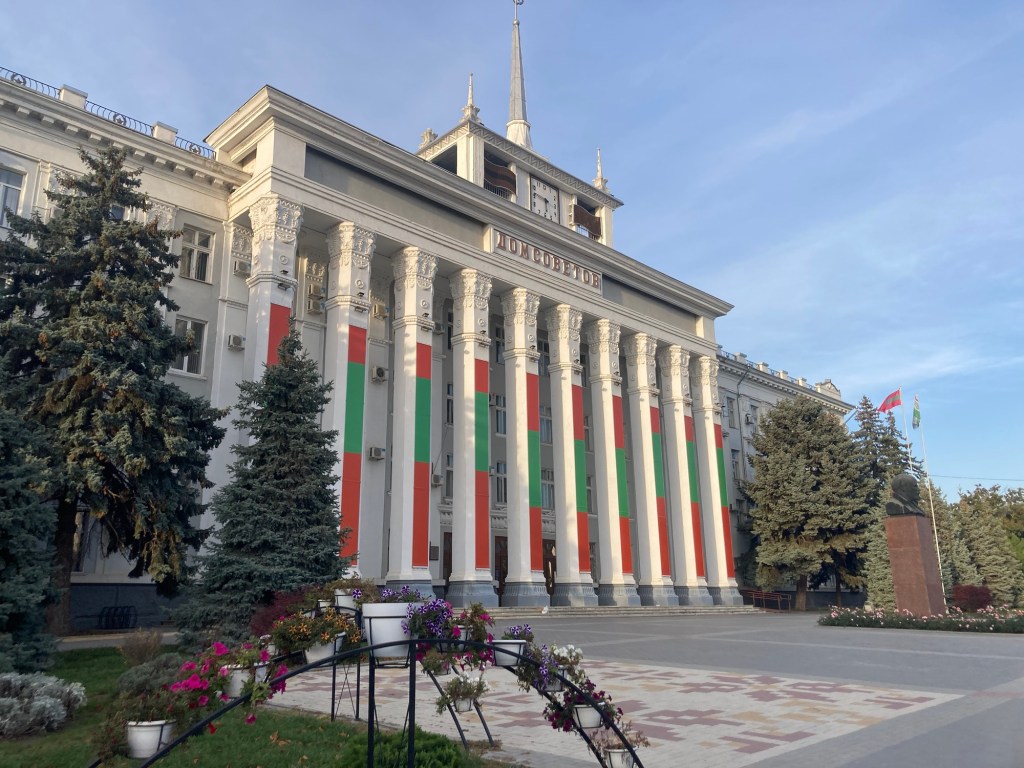
We visited two cities here; Bendery and Tiraspol. Both, in some ways, are throwbacks to the Soviet era, with the city hall in Tiraspol the epitome of Soviet brutalist architecture:
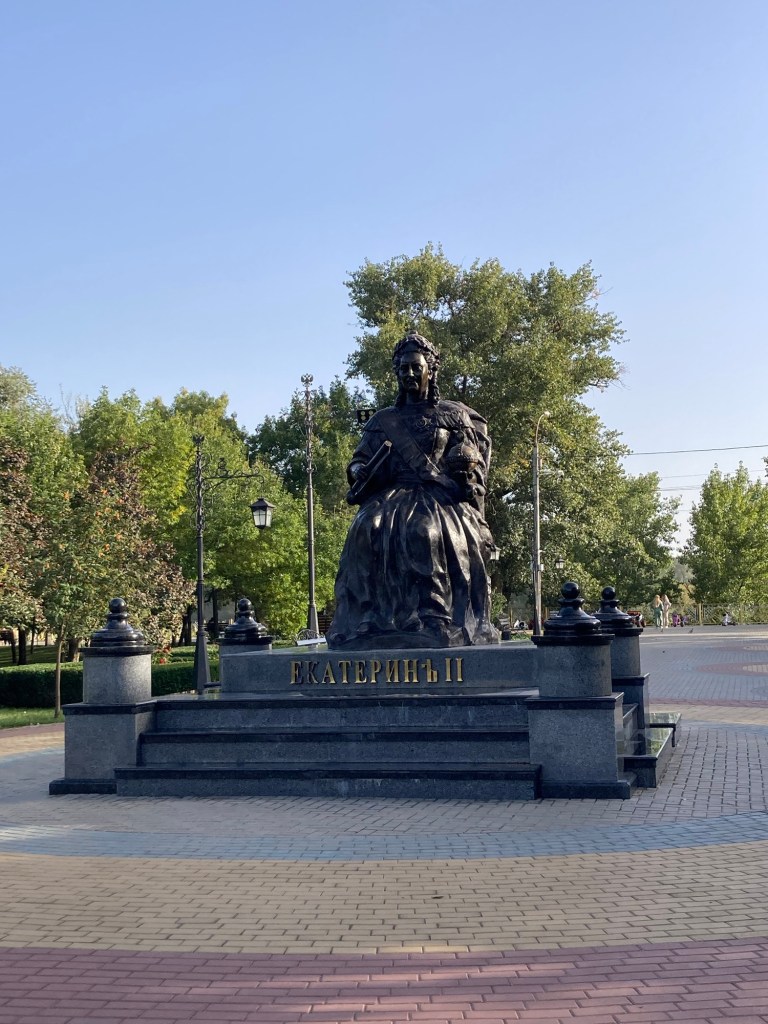
Reminders of Transnistria’s closeness to Russia and its Soviet past were everywhere, from its excessive (in my view) adoration or Russian generals, to statues of Lenin to homage to the Motherland:
But in the end, its people weren’t that weird. The markets were full of the same food we’d see back home, except everything was organic and no citrus fruits were available. People drove the same cars , but for a Volga, kids in uniform raced home from school and young girls sporting obviously fake fingernails chatted on cell phones.
And so ended my days in Moldova. Pretty, a little different, glad I went but not sure I’d race back.
Next up…the place where everybody got it all wrong..,..,
 travelsnearlyeverywhere.com
So interesting. Thanks Naomi
LikeLike
Very interesting and informative. Thanks for sharing.
LikeLike